
The Allure of Casino Games
Casino games are designed to captivate players with a blend of excitement, anticipation, and adrenaline. The environment of a casino is meticulously crafted to engage the senses, featuring bright lights, captivating sounds, and an atmosphere charged with energy. This sensory overload can trigger the brain’s reward system, releasing dopamine, which makes players feel good and encourages them to keep playing. In this thrilling landscape, the attraction of casino bitcoin adds an additional layer of excitement, especially as players explore new avenues for their gaming experience. The thrill of uncertainty and the possibility of winning big often overshadow the risks involved, drawing individuals into an enticing cycle of behavior.
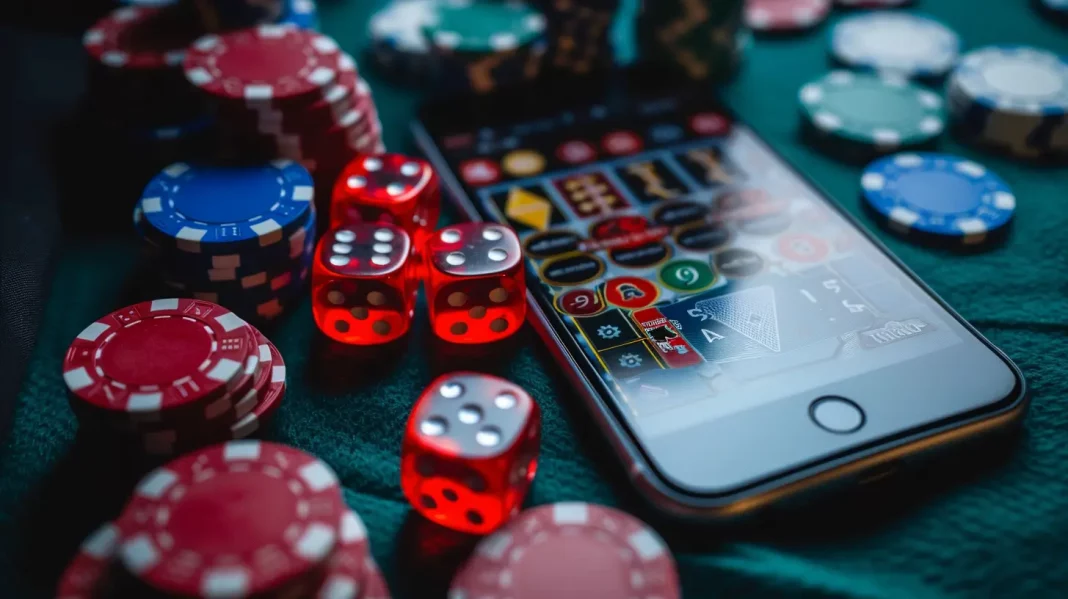
Moreover, the psychology of gambling often leverages the principle of near misses. Players may experience a heightened sense of excitement when they come close to a win, even if they do not actually win. This phenomenon can create a false sense of skill, leading players to believe that they are on the verge of a successful outcome, which can perpetuate continued engagement with the games.
The Role of Cognitive Bias in Gambling
Cognitive biases play a significant role in shaping how players perceive their chances of winning at casino games. One common bias is the gambler’s fallacy, where individuals believe that past events affect future outcomes. For example, a player may think that because a roulette wheel has not landed on red for several spins, it is «due» to hit red soon. This misconception can lead to poor decision-making and increased betting, as players chase losses or try to capitalize on perceived patterns.
Another cognitive bias is the illusion of control, where players feel they can influence the outcome of games based on their actions, even in games of pure chance. This belief can lead to the development of rituals or routines that players feel increase their odds of winning, further reinforcing their involvement in gambling activities.
Emotional Factors Influencing Player Behavior
Emotions play a crucial role in gambling behavior, often driving players to make impulsive decisions. Feelings of excitement during winning streaks can lead to an increase in betting, as players seek to prolong their winning experience. Conversely, losing sessions often lead to frustration or anxiety, prompting players to chase losses. This emotional roller coaster can create a cycle of highs and lows that keeps players engaged, even when they are aware of the financial risks involved.
The social aspect of gambling also influences player behavior. Many individuals are motivated to visit casinos to enjoy the company of others, share experiences, and engage in social interactions. This communal aspect can lead to emotional connections and reinforce the desire to continue playing, as players may want to replicate the fun they have experienced with friends or other patrons.
The Impact of Environment on Gambling Behavior
The physical environment of a casino significantly influences how players behave. Factors such as layout, lighting, and sound can evoke certain emotions and moods that encourage gambling. Casinos are often designed without clocks or windows, creating a disorienting effect that makes players lose track of time, leading to prolonged gaming sessions. The layout is strategically arranged to keep players engaged and exploring, often leading them to more games and opportunities to spend money.
Additionally, the use of complimentary drinks and rewards systems can reinforce gambling behaviors, as players feel valued and more inclined to continue playing. This environment effectively transforms gambling from a mere financial endeavor into an immersive experience that blends entertainment with the potential for monetary gain, sustaining player interest and involvement.

LeadMonk: A Resource for Gamblers and Enthusiasts
For individuals exploring the complexities of casino gaming and player psychology, LeadMonk offers valuable insights and resources. This platform provides information that can enhance understanding of gambling behavior, helping players make more informed decisions. By emphasizing the psychological aspects of gambling, LeadMonk aims to promote a healthier approach to gaming.
Whether you are a casual player looking to better understand your behavior or a professional seeking to analyze gaming dynamics, LeadMonk serves as a supportive resource. The platform not only presents critical information but also fosters engagement among users, ensuring a comprehensive experience in the realm of gaming and gambling psychology.